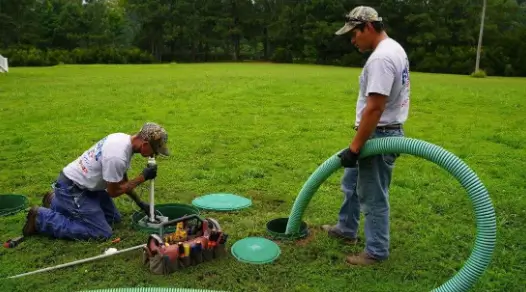
Maintaining a sewer line starts with a clear baseline: symptoms, measurements, and a history of issues. Document indicators and prior conditions, then compare them to normative ranges. Establish a smart routine of regular inspections, timely flushes, and careful waste disposal. When roots or obstructions threaten flow, record intrusion sources and consider targeted control or lining. DIY limits vary; know when to seek professional help and keep detailed records for warranties and follow-ups. The next steps reveal how these elements fit together.
Diagnose the Health of Your Sewer Line
A thorough assessment of a sewer line begins with establishing a baseline of symptoms, measurements, and history. The process documents observable indicators and prior conditions, then compares current data to normative ranges. This disciplined appraisal supports informed decisions about sewer health. Two word discussion ideas emerge: assessment framework, diagnostic clarity, enabling deliberate actions and freedom to pursue proactive maintenance.
Prevent Clogs With Smart Routine Maintenance
Smart routine maintenance reduces the likelihood of blockages by combining proactive scheduling with targeted practices. Regular inspections identify small issues before they escalate, while timely flushes and waste disposal diligence minimize accumulations. Clarify sewer line myths to avoid unnecessary repairs, and establish maintenance scheduling thatbalances flexibility with discipline. This approach sustains flow, reduces surprises, and reinforces independent ownership of home infrastructure.
Manage Tree Roots and System Obstructions
Root intrusion and other obstructions pose a persistent challenge to sewer performance, requiring a methodical assessment that builds on preventive maintenance. Tree roots increasingly threaten joints and flow, while system obstructions reduce capacity. Proper evaluation entails locating intrusion sources, recording root growth patterns, and documenting obstruction frequency. Preventive strategies include targeted root control, pipe lining considerations, and systematic clearance as needed.
See also: The Race for Smaller and Faster Chips
When to DIY vs. Call a Pro and What to Expect
When should homeowners tackle sewer maintenance themselves, and when is professional intervention warranted? A measured approach separates simple tasks from hazardous ones.
DIY safety governs minor inspections, clogged cleanouts, and basic drain plunging.
For persistent blockages, unfamiliar smells, or wastewater backup, call a pro.
Expect consultations, estimates, and transparent professional costs, plus documented warranties and follow-up service where needed.
Conclusion
Conclusion: A well-maintained sewer line rests on routine discipline and careful recordkeeping. Regular inspections, measured flushes, and prudent waste disposal form the backbone, while baseline comparisons illuminate anomalies. Prevention—clear, methodical, proactive—reduces risk, minimizes repairs, and preserves flow. When roots or obstructions threaten performance, targeted actions and timely professional input preserve integrity. DIY limits defined, professional assistance engaged, warranties documented, follow-ups scheduled. Routine checks, documented results, consistent maintenance; routine checks, documented results, consistent maintenance.